

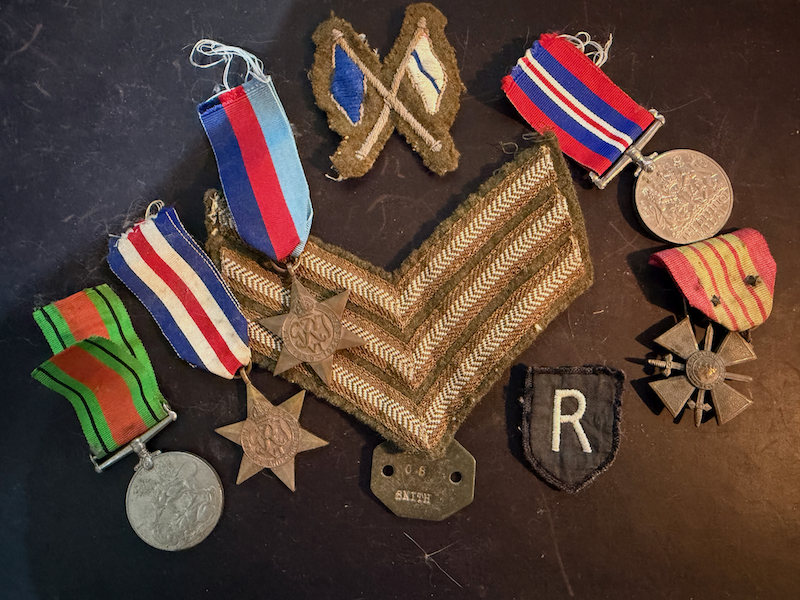
From service records to a life in uniform
Names, photographs, medals and family memories can provide tantalising glimpses of a military past. So, What happened? brings the surviving evidence together, explains what it means and places an individual’s service within its wider historical story.
Every project is individually assessed, scoped and quoted before research begins.
Starting with fragments….
What happened to the person behind the record?
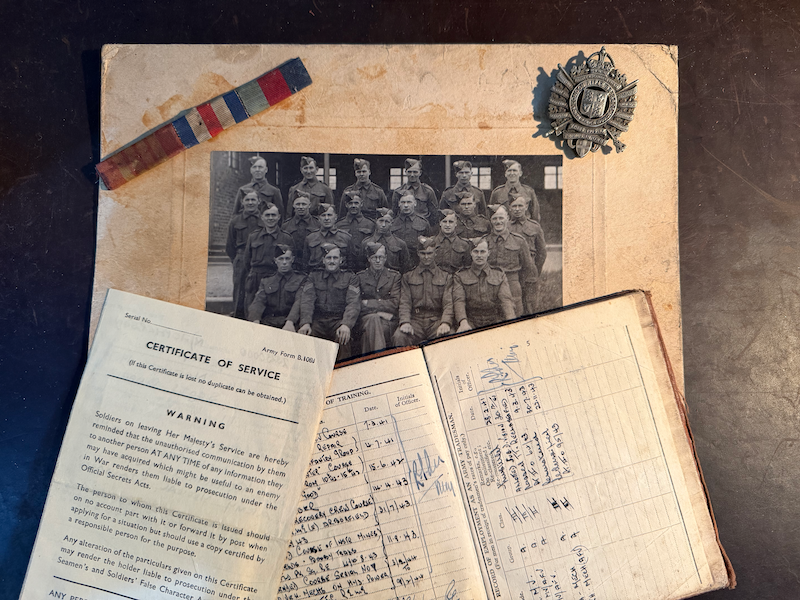
Perhaps you have a name on a photograph, an unfamiliar cap badge, a medal, a service number or a story passed down through the family. Each clue may contribute to a much fuller account. The research begins with what you already know and follows the evidence through surviving military and historical sources.You may be trying to discover:
Where and when someone served?
Their regiment, Corps, Ship, squadron or Unit?
The campaigns and locations connected with their service?
What the military abbreviations and entries mean?
The circumstances of a casualty, award or commemoration?
How thier individual experience fits into the wider history?
Research service options
Record Review and Next Steps
A review of the information and documents you already hold. I will explain the principal details, identify promising lines of enquiry and recommend the most useful next steps.
Suitable for: clients who have records but are unsure what they mean or where to look next.
Focused Service Research
Research into a clearly defined question, period or aspect of military service—for example, identifying a unit, tracing a campaign, interpreting a casualty record or investigating an award.
Suitable for: clients who want a particular question answered without commissioning a complete service history.
The Full Service Story
A broader reconstruction of an individual’s military service, bringing together personal details, service records, unit history, campaign information and other surviving evidence into a clear and accessible narrative.
Suitable for: family history, commemoration, preservation or preparation for a battlefield visit.
Projects are individually scoped and quoted according to the research question, the information already available and the likely sources involved
What can be researched?
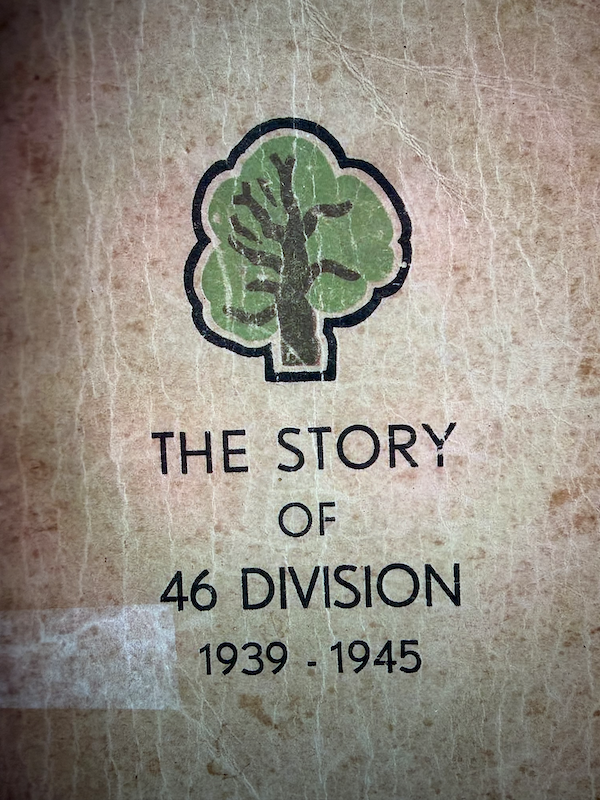
Service records
Enlistment, postings, units, promotions and discharge information where records survive
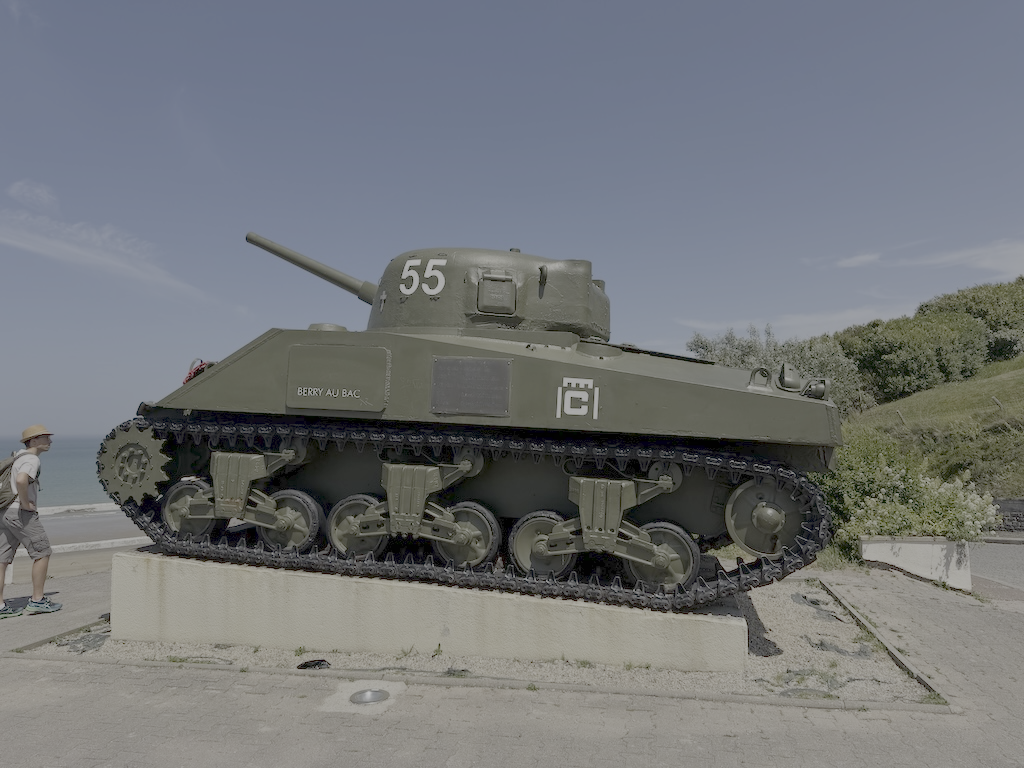
Campaigns and locations
The historical setting behind movements, operations and battles
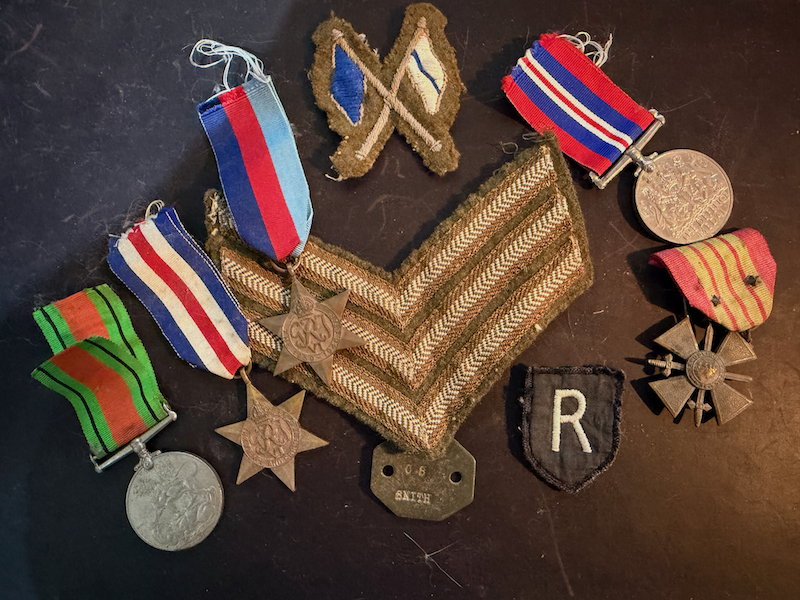
Medals and awards
Medal entitlements, citations and the events associated with decorations
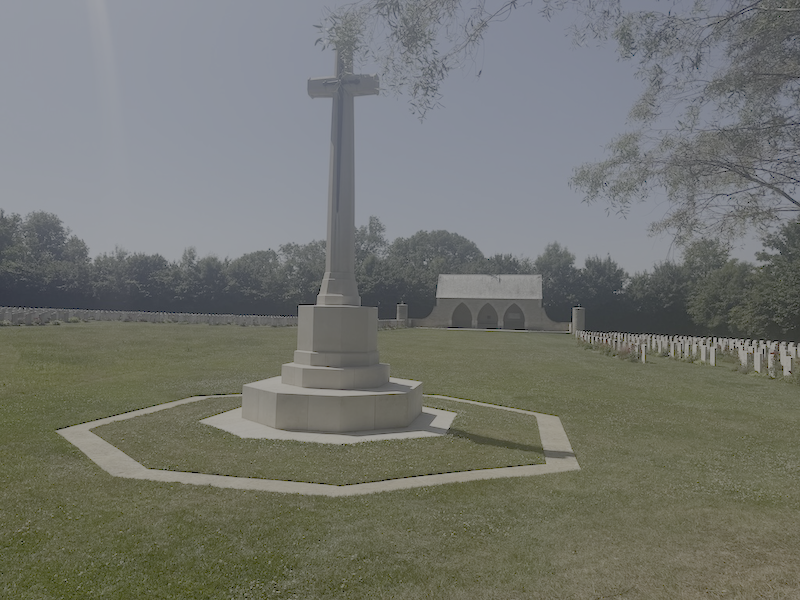
Casualties and commemoration
Casualty records, burial or commemoration and the circumstances surrounding death where evidence permits.
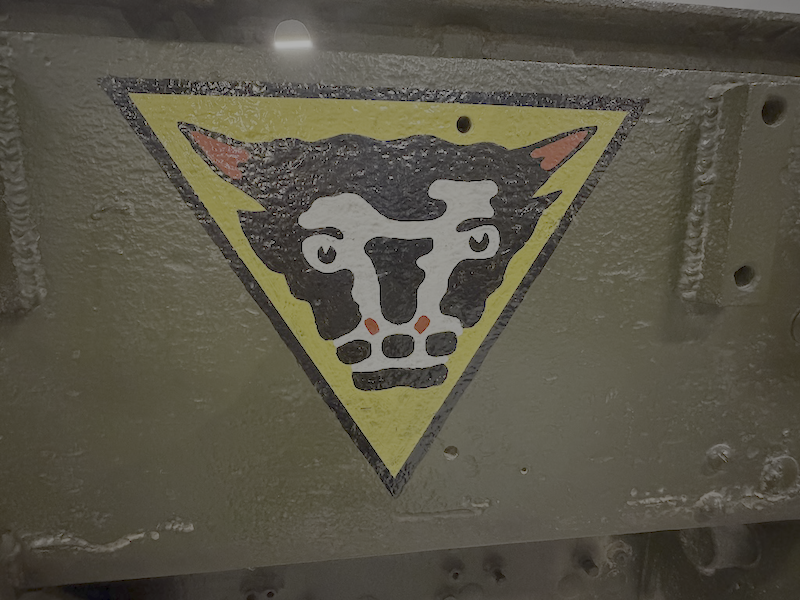
Units and formations
Regiments, Battalions, Ships, Squadrons, Corps and the larger formations in which they served.
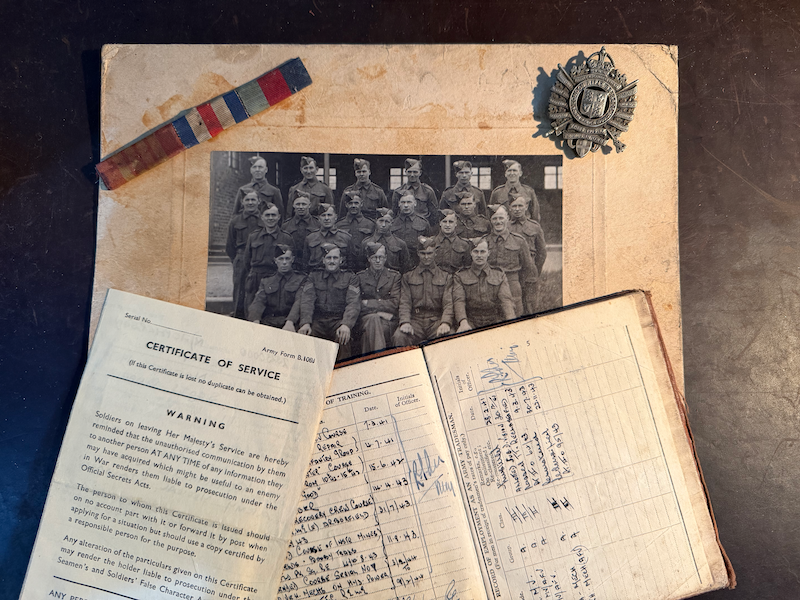
Photographs and documents
Interpretation of insignia, uniforms, abbreviations, handwritten entries and other clues
The Research process explained.
Share what you know
Send the name, dates, service details, photographs or documents already available and explain what you know.
2. Initial Assessment
I will review the information, consider the likely sources and decide whether the question is sufficiently defined and researchable.
3. Agree the Scope
I will provide a written proposal explaining:
The research question
Work included
expected deliverables
Fee and expenses
Indicative timescale
Any important limitations
4. Research and Report
Following acceptance and payment arrangements, I will conduct the research and deliver the agreed report or findings.
There is no obligation to proceed until the research scope, likely timescale and fe have been agreed. If available evidence suggests that meaningful research is unlikely I will explain this before accepting the project.
More than just a collection of documents
The aim is not simply to provide a bundle of records.
The findings are interpreted and connected so that ranks, units, movements and campaigns form a coherent account.
Sources are identified, uncertainty acknowledged and the evidence presented in language that can be understood and preserved by the family
Military understanding. Historical curiosity. Clear explanation.
Graeme MacPherson combines more than four decades of military experience with historical research, public speaking and battlefield interpretation. He is an Accredited Member of the International Guild of Battlefield Guides and a volunteer speaker for the Commonwealth War Graves Commission, with particular experience of First and Second World War history.
This background helps turn military terminology, unit organisation and operational records into a clear account of the people, places and events behind them.
Historical research cannot guarantee a particular discovery. Records may be incomplete, missing, damaged, closed to public access or capable of more than one interpretation.
Findings will distinguish between documented fact, reasonable inference and areas where the surviving evidence does not support a firm conclusion.
“Frequently Asked Questions”.
-
A full name is the usual starting point. Dates and places of birth, service numbers, unit details, photographs, medals and family recollections can all help, but it is not necessary to have everything before making an enquiry.
-
This depends upon the service period, whether the person is living and the access rules governing the record. I will explain any restrictions and whether the record must be requested by the client or a next of kin.
-
The principal focus is British and Commonwealth military service during the First and Second world was, with other periods and services considered following an initial assesment.
-
The absence of a particular record does not always mean that no useful conclusions can be reached. Alternative sources may provide evidence, but any gaps and unsuccessful searches will be reported honestly.
-
Digital copies or links will be provided where permitted. Copyright, archive conditions, download charges or access restrictions may affect what can be reproduced.
-
Yes. Research findings can sometimes provide the foundation for a separate battlefield tour or visit, subject to the location, available evidence and the scope of the tour service. For further details see out Battlefield Tours section